
The First Wave Response
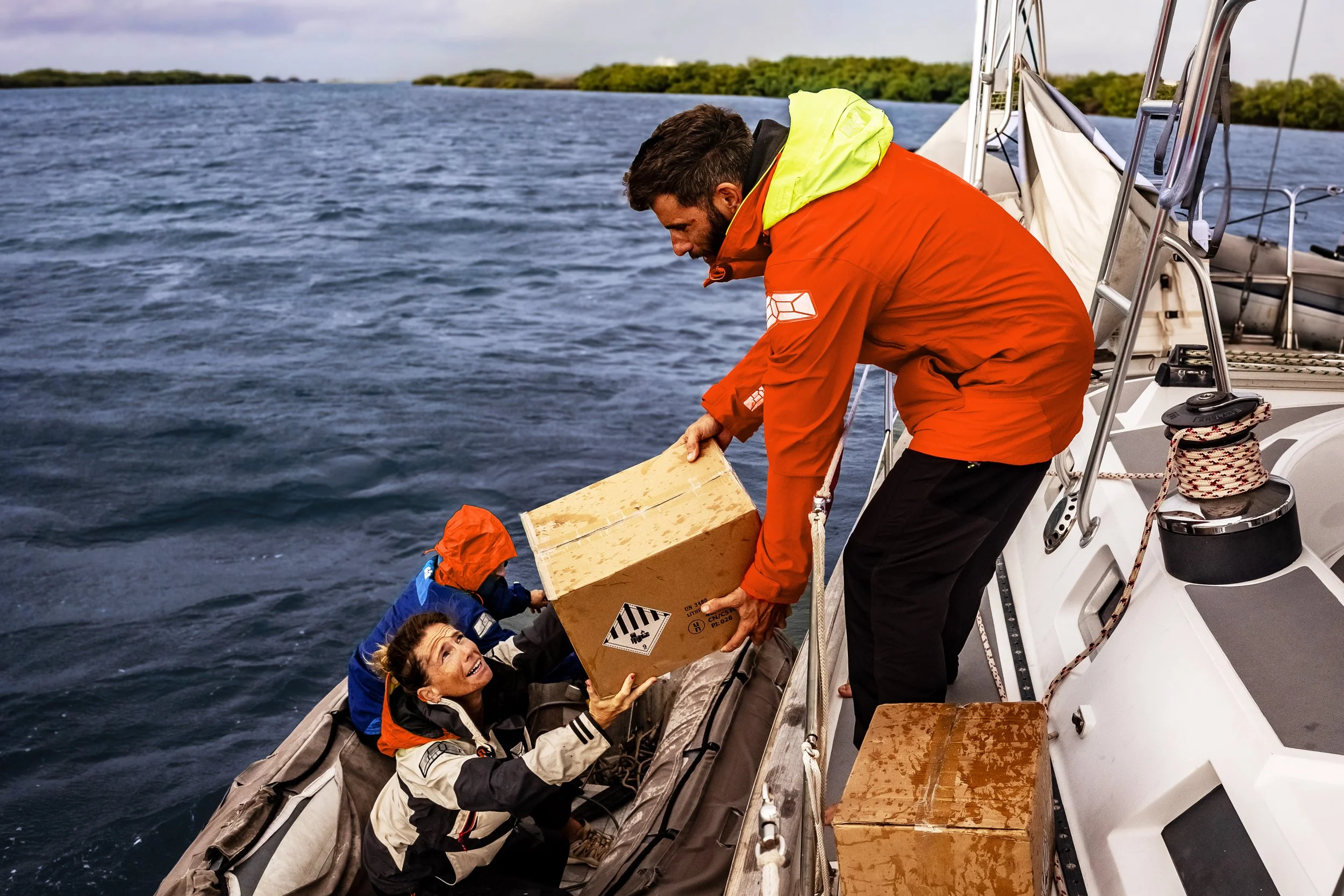
We are mariners who come together to provide rapid humanitarian disaster response by sea, supporting people and communities in the first hours and days after extreme weather hits.
A World-First Operating Model. A New Standard For Maritime Relief.
Why us?
Bridging the Critical Gap
Self-Sufficient by Design
Our volunteer vessels bring their own food, water, shelter, and communications—imposing zero burden on affected communities while delivering life-saving aid to them.

Low Environmental Impact
Wind-powered and hybrid vessels deliver aid with near-zero emissions—creating one of the cleanest, most sustainable disaster-response models on the water.

Zero-Deploy Cost Structure
Assets are owned by volunteers, donor funds go to humanitarian aid, training, coordination, and humanitarian fleet insurance.

Empowering Communities & Maritime Resilience
We train local sailors, small boat operators, and maritime workers to improve safety, skills, and disaster readiness—strengthening coastal resilience year-round.
Who are we?
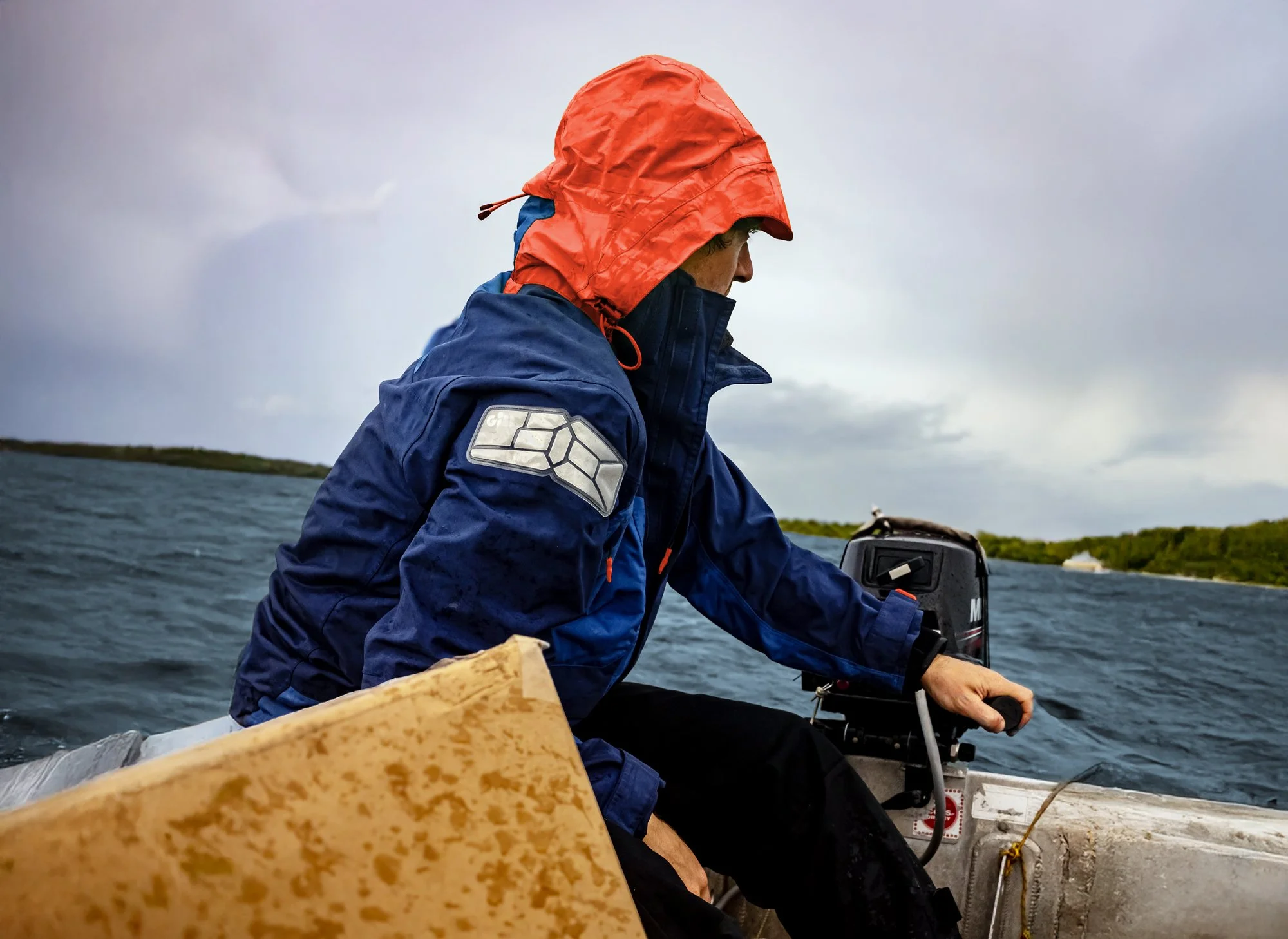
Boats Without Borders is a coordinated, self-sufficient fleet of volunteer cruising sailboats and motor vessels that deploy in the critical hours and days after a natural disaster—before larger organizations can mobilize.
How does it work?
From Forecast to First Response
Pre-Disaster
Meteorological monitoring and vessel preparedness
Day 1–2
Disaster assessment crew deploys
Days 3–10
Aid transport & local coordination
Transition
Handover to government/UN/NGOs
Join the Mission
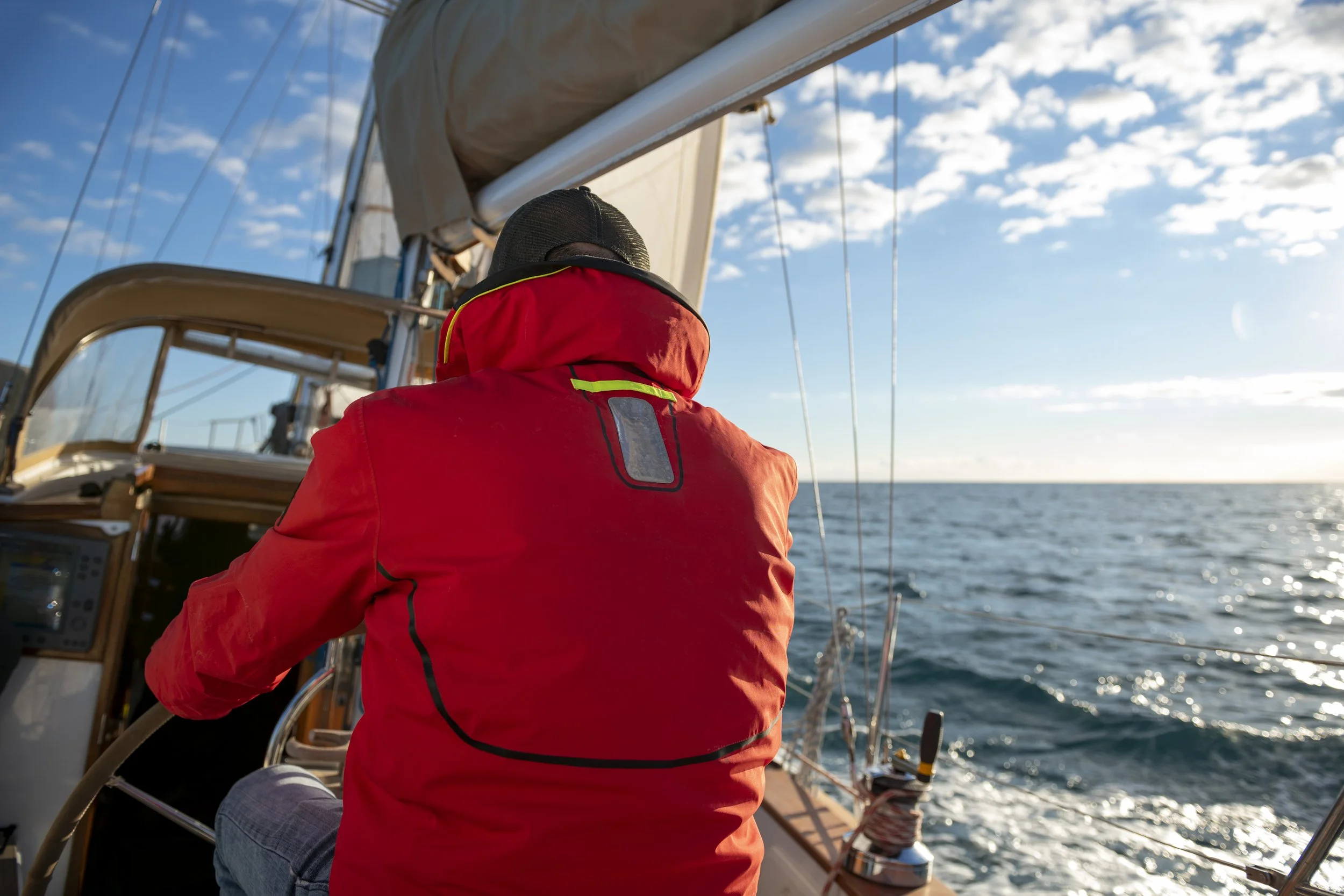
Join a growing network of sailors, maritime professionals, Caribbean partners, and donors who are reshaping what early disaster relief can look like. Whether you bring a vessel, local knowledge, operational partnership, or financial support, you become part of a self-sufficient humanitarian force that reaches communities when it matters most. Together, we can close the early-response gap and strengthen resilience across regions in need. Learn more…
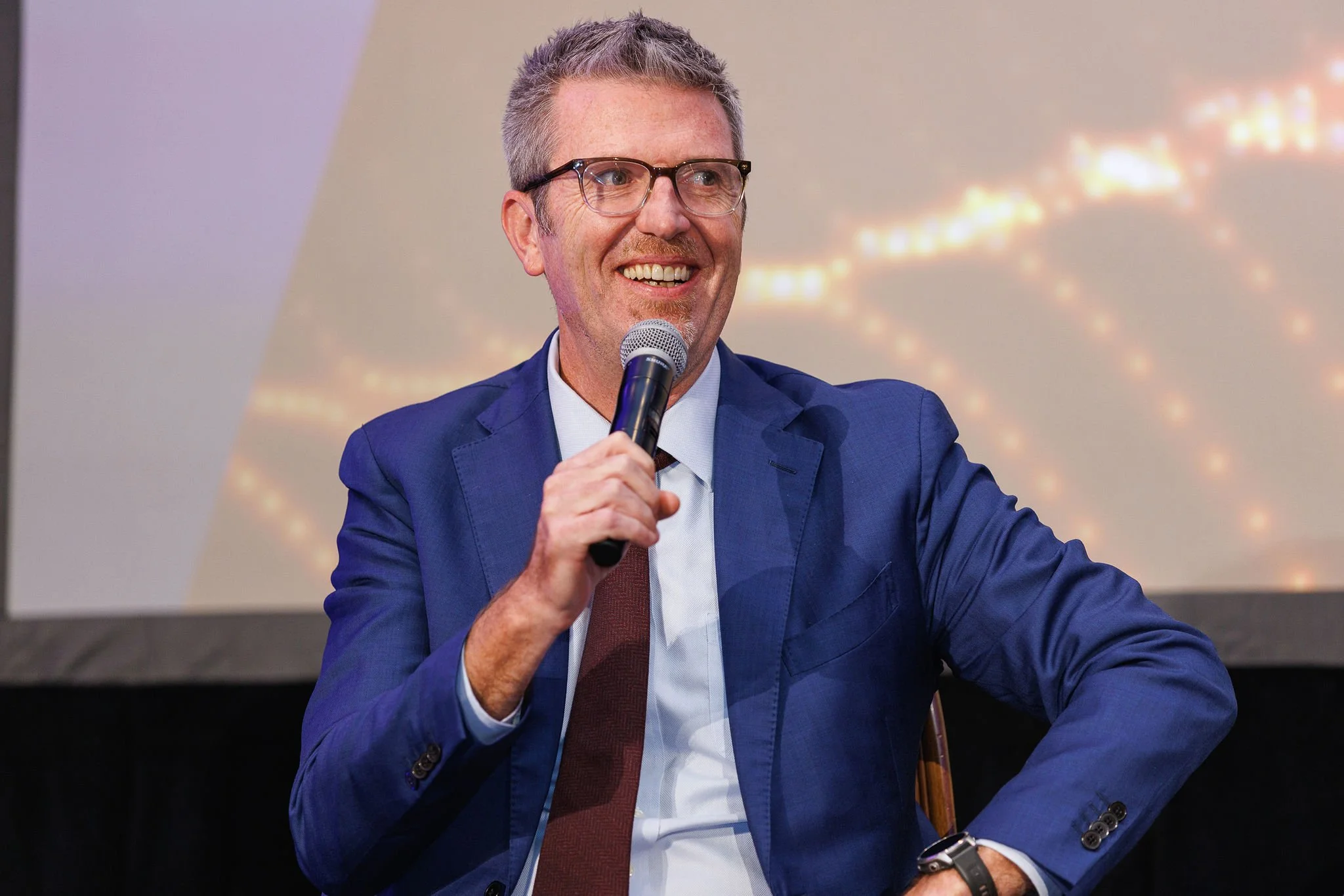
“We wanted to convey our gratitude for the volunteers of the cruising community and vessel owners who came rushing to support populations affected by Hurricane Beryl... It speaks to the essential volunteer efforts required when rapid-onset disasters strike.”
Brian Bogart
Country Director, WFP Caribbean